EU's New KIDS Act: What It Means for Your Favorite Online Games
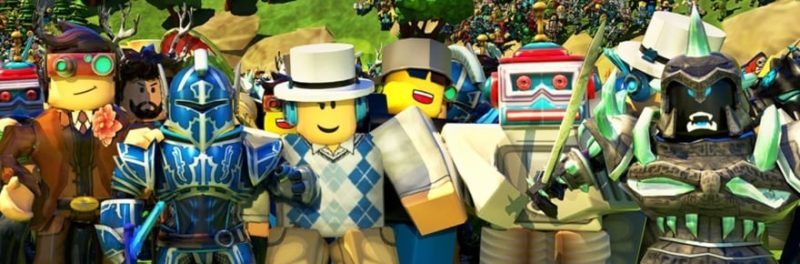
The European Union has proposed the KIDS Act, a draft law that would require online games to implement stricter age verification, limit login bonuses, and enhance parental controls to protect minors.
Ever feel like your favorite online game is constantly nudging you to log in daily for rewards? Well, the European Union is taking a hard look at those mechanics, especially when it comes to younger players.
The EU Commission recently proposed a draft law called the KIDS Act, which aims to regulate how online games engage with minors. The proposal targets several key areas: excessive login times, parental controls, and monetization transparency. Essentially, it wants to ensure that games aren't designed to keep kids hooked for hours on end or pressure them into spending money.
One of the main provisions is stricter age verification. This means games would need to do more to confirm a player's age before allowing access to certain features. That could mean more robust checks beyond simply asking for a birthdate. For parents, the act seeks to tighten parental controls, giving them better tools to manage what their kids can do in-game.
Another big change: login bonuses. The EU wants to curb these rewards, which often incentivize daily logins and can create a sense of obligation to play. While many players enjoy these perks, regulators worry they can be manipulative, especially for younger audiences.
The proposal also calls for transparency in monetization. That means game developers would need to be clearer about how they make money, particularly when it comes to in-game purchases and loot boxes. This could lead to more upfront information about costs and odds, helping players and parents make informed decisions.
Of course, this is just a draft law, so it's not set in stone yet. It will likely face debates and revisions before becoming official. But it signals a growing trend: regulators are paying closer attention to how games are designed and marketed, especially to vulnerable groups.
For now, it's something to keep an eye on. If you're a parent, this could mean better safeguards for your kids. If you're a player, it might change how some games reward you. Either way, the landscape of online gaming could be shifting.
What do you think about these proposed changes? Will they make games safer, or are they overstepping? Let us know in the comments!
📰 Related Articles
Why Picking Just 5 Favorite MMOs Is So Hard
The revived tradition gives MMO players a fresh excuse to compare picks, spark nostalgia, and debate which games truly earned a spot in their personal top five.
What Xbox's Profit Push Means for Your Favorite Games
If Xbox succeeds, it could mean more exclusive games and transmedia projects for players, but the current sales decline and job cuts suggest a tough road ahead for the brand.
What No Helldivers 3 Means for Your Favorite Game
Players can expect continued support for Helldivers 2 rather than a sequel, meaning the community's progress and investments remain valuable. The movie adaptation may also bring new fans into the fold…
What AI-Powered Hacking Means for Your Favorite Games and Si…
Players should expect more frequent disruptions to game services and websites, but long-term security improvements may follow as flaws are patched.
What EA's Massive Cuts Mean for Your Favorite Games
These cuts signal a major shift for EA as it services debt from the largest leveraged buyout in history, leaving fans worried about the future of beloved franchises and the developers behind them.
What EA's BioWare Closure Means for Your Favorite Franchises
Players can expect fewer RPGs from BioWare and more focus on sports and shooters from EA, while fans of The Sims and Skate face uncertain futures.