Xbox CEO Shuts Down Sale Rumors: 'Xbox Is Not for Sale'
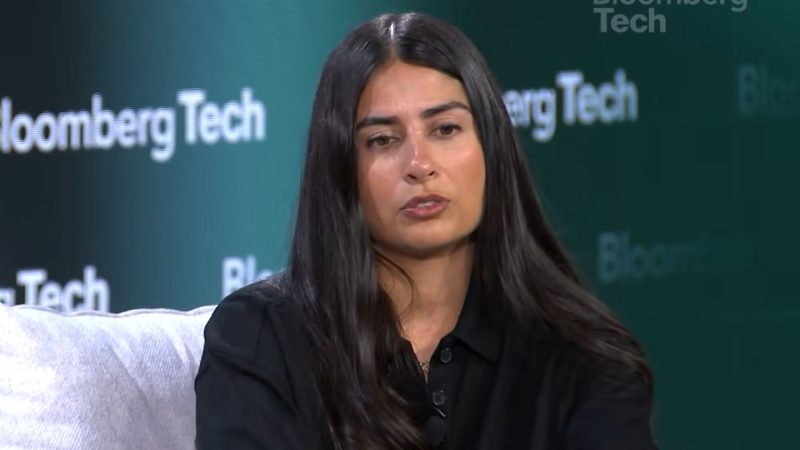
Xbox CEO Asha Sharma denies rumors of a sale or spin-off from Microsoft, saying the company will do whatever it takes to succeed.
Ever heard a rumor that Xbox might be sold off? You're not alone. But Xbox CEO Asha Sharma is here to set the record straight: "Xbox is not for sale."
That's a pretty direct answer to the swirling speculation. In an interview with The New York Times, Sharma made it clear that despite the chaos, Xbox isn't going anywhere. "We will do whatever it takes to set the company up for success," she said, "and we will look at the right partnerships, the right operating model and everything needed to achieve that."
The rumor mill started spinning back in June when The Information reported that Microsoft had considered spinning out Xbox or packaging it for sale by restructuring it as a wholly owned subsidiary. Microsoft CEO Satya Nadella added fuel to the fire recently by saying the "streamlining" of Xbox is "great to see." That kind of talk will get any gamer worried.
But let's not sugarcoat it—Xbox has been going through a rough patch. The company is in the middle of what Sharma calls "the most significant restructure in Xbox history." By the end of the current fiscal year, 3,200 people will have lost their jobs. That's a massive number. Back in July, 1,600 workers were let go, and in September, another 250 or so were cut from studios like The Coalition (Gears of War) and World's Edge (Age of Empires).
Studios have been shut down entirely, games canceled, and some teams—like Halo Studios—reportedly reduced to skeleton crews. It's a turbulent time for everyone involved. Hardware sales have been sluggish for years, and the big pivot to multiplatform with Xbox Game Pass hasn't quite panned out the way many hoped.
So why the optimism? Sharma says all this change will eventually lead to a sustainable and profitable Xbox—even if it takes years. "We've got a long way to go with Microsoft," she said, "and we're going to take the long-term view." But inside Xbox, the message employees are hearing is a bit more blunt. According to an id Software employee, "the only concrete thing they have communicated is they want higher profits, and they want it now."
That's a tough spot to be in. On one hand, you have leadership preaching patience and long-term vision. On the other, the pressure for immediate results is clearly intense. For players, the big question is: what does this mean for the games you love? Will your favorite franchises survive the cuts? Will Game Pass still be the great deal it is today? Only time will tell.
What do you think about all this? Are you worried about Xbox's future, or do you trust Sharma's long-term plan? Let us know in the comments.
📰 Related Articles
What the Celeste and TowerFall Xbox Delisting Means for Play…
This move highlights how indie developers are increasingly willing to take political stances, potentially pressuring Microsoft and inspiring other studios to follow suit. Players may need to seek alte…
What Xbox's Cancellation Means for Romero's FPS Future
For players, it means Romero's FPS isn't dead—just different. For the industry, it shows how a hands-off publisher can let a studio rebuild after a major setback.
Xbox Loses Celeste and TowerFall Over BDS Boycott
This move highlights how political activism is increasingly affecting game availability, and Xbox players lose access to two acclaimed indie titles.
What Xbox's Struggles Mean for Your Game Pass and Console Fu…
For players, Xbox's struggles could mean fewer exclusives and changes to Game Pass, while the industry watches to see if Sharma's long-term plan can turn things around.
What Xbox's Profit Push Means for Your Favorite Games
If Xbox succeeds, it could mean more exclusive games and transmedia projects for players, but the current sales decline and job cuts suggest a tough road ahead for the brand.
What Gears of War: E-Day's Exclusivity Means for Xbox Player…
For players, this suggests Xbox's exclusivity strategy isn't reversing its hardware decline, and the $70 premium model may be losing relevance on the platform as Game Pass dominates engagement.